My obsession with wardrobe planning started in the 6th grade.
We had just moved from the big city to the countryside, and I’d changed schools. For the first time, I was given free rein (and a generous allowance) by my parents to decide exactly what clothes I wanted for my “back-to-school” wardrobe.
That was the start of learning how to build a wardrobe from scratch.
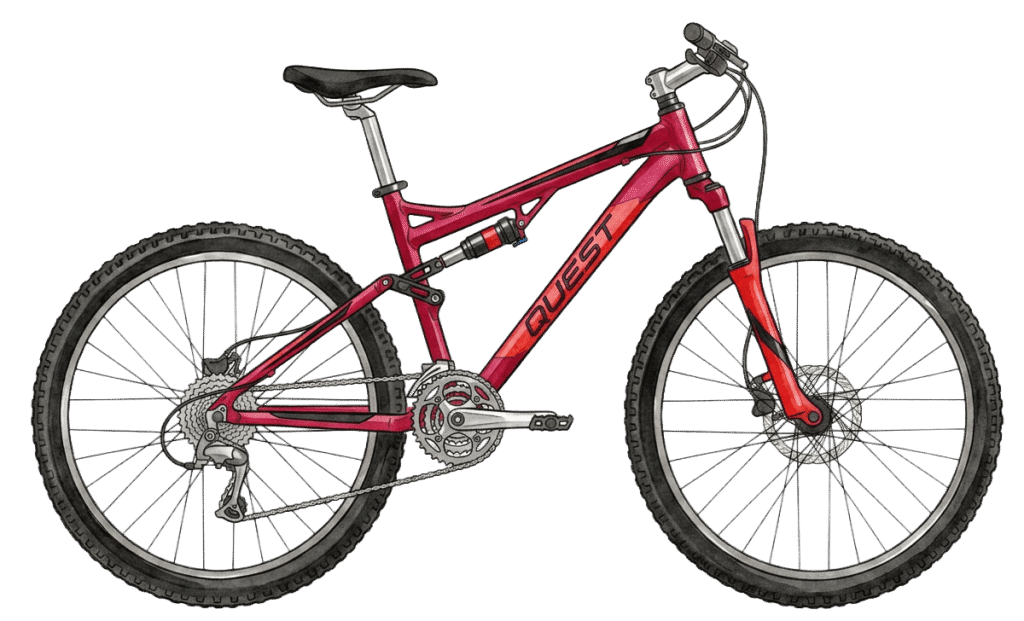
I had to figure out, through trial and error, how to stretch a limited budget against a very real life: making new friends, commuting to school by bike, and trying to feel comfortable in my own skin as someone standing right at the edge of becoming a teenager.

(Keep in mind the internet wasn’t the social, style-saturated place it is today, so I spent my afternoons scouring general info sites like About.com and borrowing every fashion book the local library owned.)
Since then, I’ve rebuilt my wardrobe from scratch dozens of times, if not close to a hundred — navigating relocations abroad, long-term travels, weight fluctuations, breakups, health issues, career changes, and everything in between. I’ve made plenty of expensive mistakes, but I’ve also found the successes that actually stick.
I want to share 6 critical lessons I’ve learned over those 20+ years, so building your wardrobe can be a little easier than it was for me in the early days.
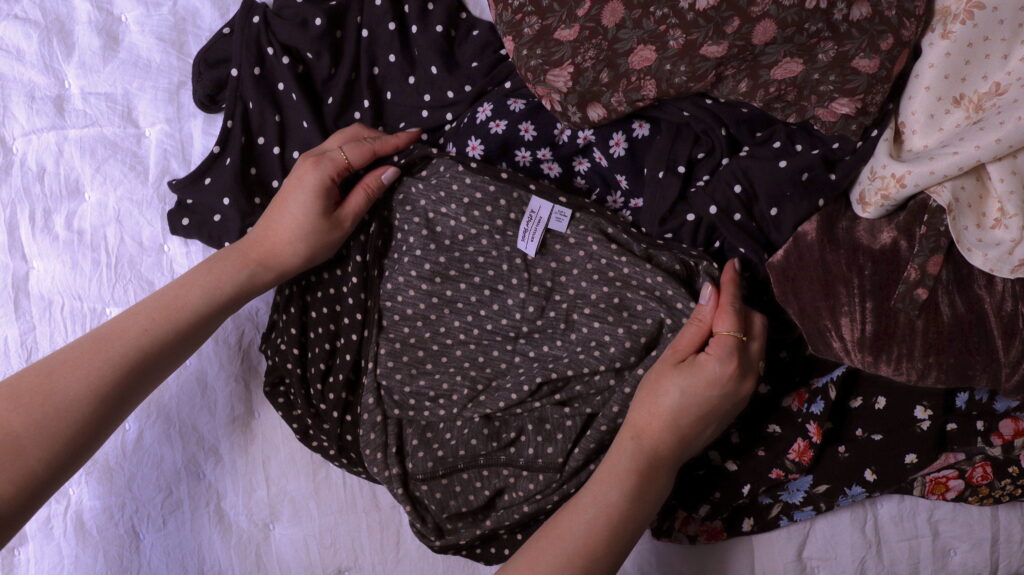
Search for wardrobe advice today and you’ll likely be told to declutter or shop your closet.
But after two decades of doing this, I’ve realized that starting a wardrobe overhaul with a clean-out is often a recipe for overcorrection and frustration. Why?
Because if you haven’t first defined your style, your goals, and your actual lifestyle, you have no criteria to evaluate your clothes against. I know from experience how easy it is to forget what you and your life actually require and go full “rambo” during a clean-out — accidentally getting rid of things that were perfectly wearable. You end up throwing away pieces just because they aren’t 100% “perfect,” or discarding items with untapped potential simply because you haven’t made a plan for them yet. This forces you to start over in one go and stretch your budget way above its limit.
The groundwork of analysis and reflection is essential so that when it’s finally time to declutter, you aren’t removing, or let alone, keeping items based on a guess or imaginary idea. You’re making sensible decisions based on data and self-knowledge.
This builds on the previous lesson, but addresses a slightly different issue.
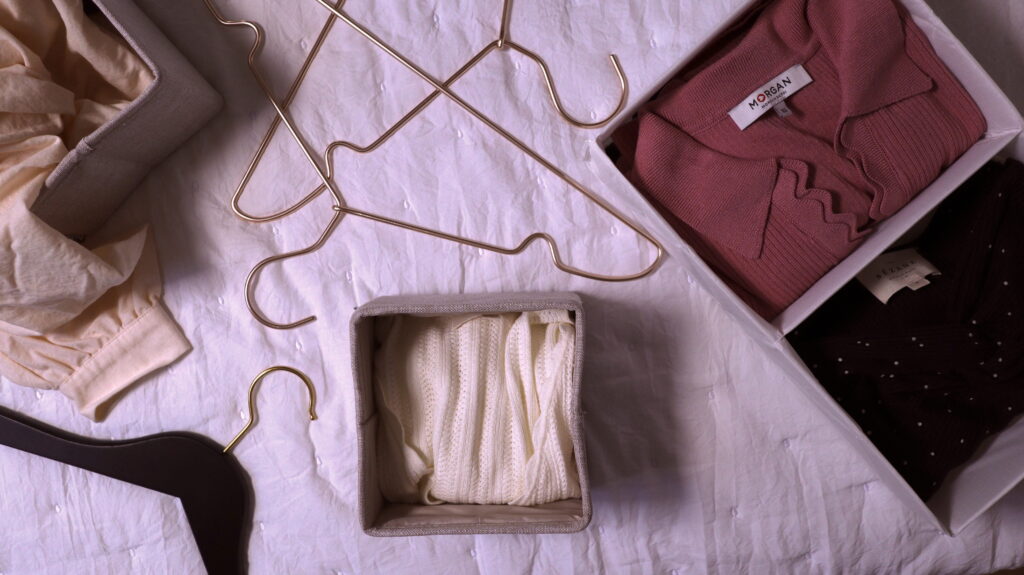
Building a wardrobe involves far more than removing what’s “broken” and blindly patching it over with “must-have” essentials folded into one single, basic capsule wardrobe. It’s a process of construction — the unglamorous but vital groundwork of planning your wardrobe organization, taking inventory of your clothes, setting a budget, identifying the gaps, and creating reliable outfit formulas.
My younger self was surprised by how much room these steps took up in the process, but I quickly discovered how vital they were for building a wardrobe I could actually maintain and update down the road. And trust me when I say this, once you’ve done this a few times (and even set up a system for this), it’ll become second nature 🙂
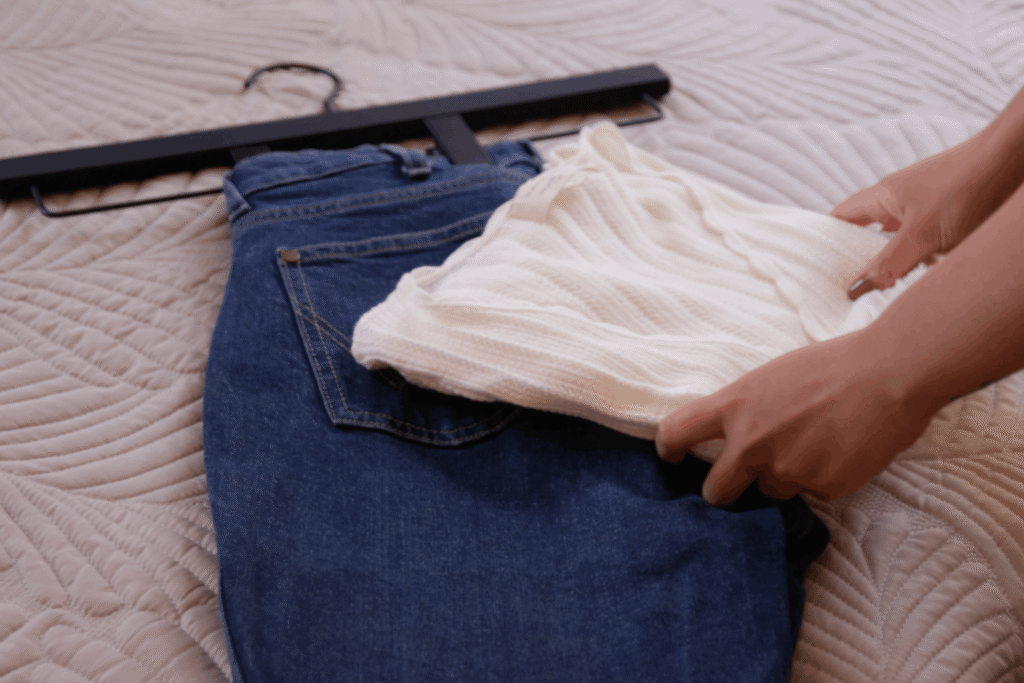
There’s a common trap in the minimalist world: the “all-essential” wardrobe made up of basic and classic pieces.
You’re told to build your foundation on white t-shirts, beige trench coats, and navy dress pants because they work with anything and make you look “chic.” But a wardrobe made entirely of essentials often feels dull and anonymous, especially if your style personality or personal aesthetic isn’t classic to begin with.
I remember struggling with this in 2014, back when “French chic” was touted as the ideal look.
I really wanted to feel put-together, so I kept dressing in neutral tees and trench coats, but I’d often end up feeling “off.” It took a while to understand that these pieces clashed with my style essence, which leans toward fluid and feminine.
I’m not saying you shouldn’t invest the essentials. Basic pieces provide the “glue” that ties an outfit together and act as an understated canvas for your more interesting, individual pieces.
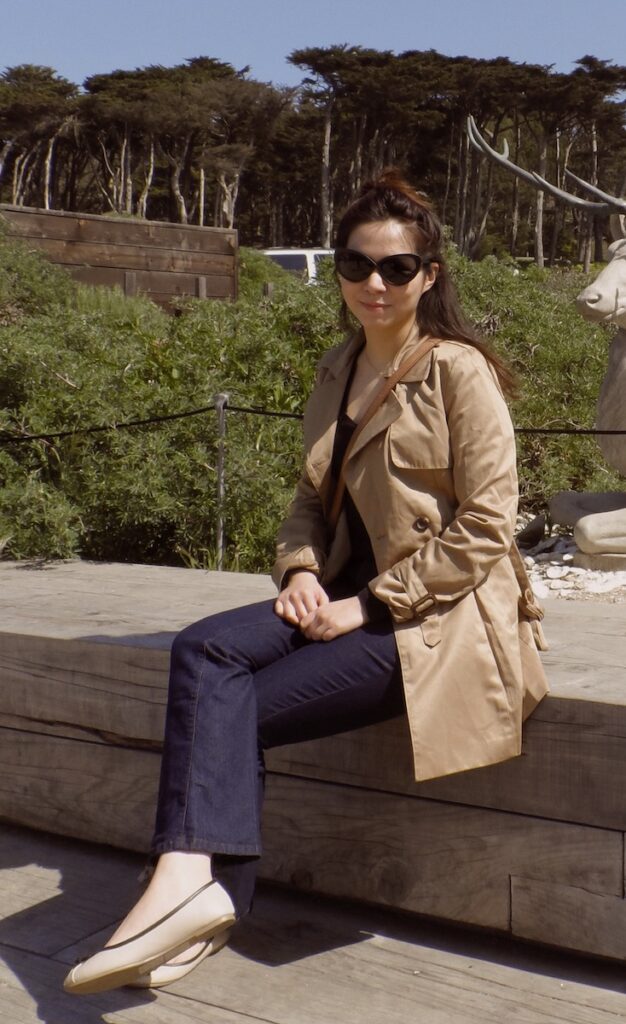
But they shouldn’t take up the majority of your wardrobe — 50 to 60 % is a healthy ratio. Perhaps 70% if your natural style personality gravitates towards a classic, elegant aesthetic.
And you’ll want a handful of these to be “updated essentials”: pieces that are understated in design but carry one interesting detail, like loafers with an unusual strap, or an oversized denim shirt with subtle embroidery.
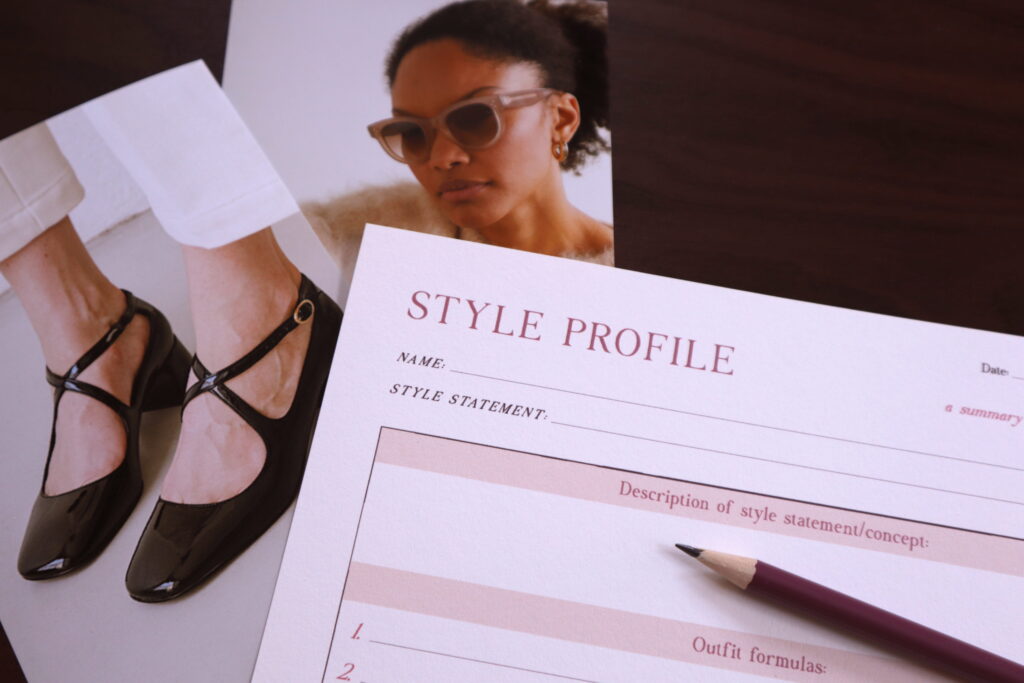
Defining your personal style matters because it acts as a filter for every future purchase and every decluttering decision. Once you know the key elements, or “style words,” of your personal aesthetic, you can use them as quick identifiers to know whether a garment is a match.
For example: if your colors are navy and rose pink, you don’t walk toward the racks of beige. You scan the room and stop only when you spot pieces close to navy or rose pink.
Or, if you’re decluttering, run through each element of a piece — color, fabric, texture, overall silhouette/shape and other details like the collar and pockets — and check it against your style words. If it doesn’t match, move on, or at least ask yourself: “How can I style this to make it more me?” For example, if casual oversized white button shirts aren’t quite you, figure out if you can “soften” the look with feminine accessories or “sharpen” it by pairing it with more tailored pants and shoes.
This filter is what lets you shop and declutter efficiently. Without it, every store window or influencer recommendation becomes a temptation.
This one was probably the hardest for me to accept, but it’s saved me a lot of headache:
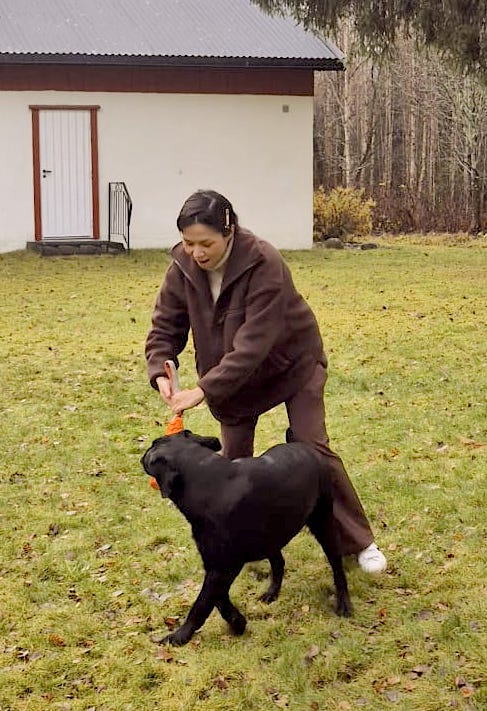
You have to understand the pace and place of your lifestyle before you even think about your aesthetic.
A common pain point is owning a closet full of “aspirational” clothes, such as dressy pieces for a life of galas and dinners, while your actual reality is slow and casual, and perhaps mostly indoors. It doesn’t matter how much you love a piece; if it doesn’t suit your life, it will either sit unworn or get ruined.
You have no idea how much I used to swoon over delicate wool knits (I mean, who can resist those beautiful Sézane knits?), only to watch them get ruined by my puppy or sit in the laundry bag for weeks and even months because I couldn’t be bothered to hand-wash them. I’ve since shifted to sturdier sweaters, such as thick wool-blends, fleece and sweats, because they don’t get easily snagged and they’re so much easier to care for.
In short, understanding your day-to-day circumstances helps you buy clothes that actually fit your real life.
That doesn’t mean style doesn’t matter — you should love wearing your clothes, or at least appreciate how much easier they make your life. Even denim and cotton twill that feel too rugged for my feminine style have earned their place because of how well they complement and update my feminine pieces.
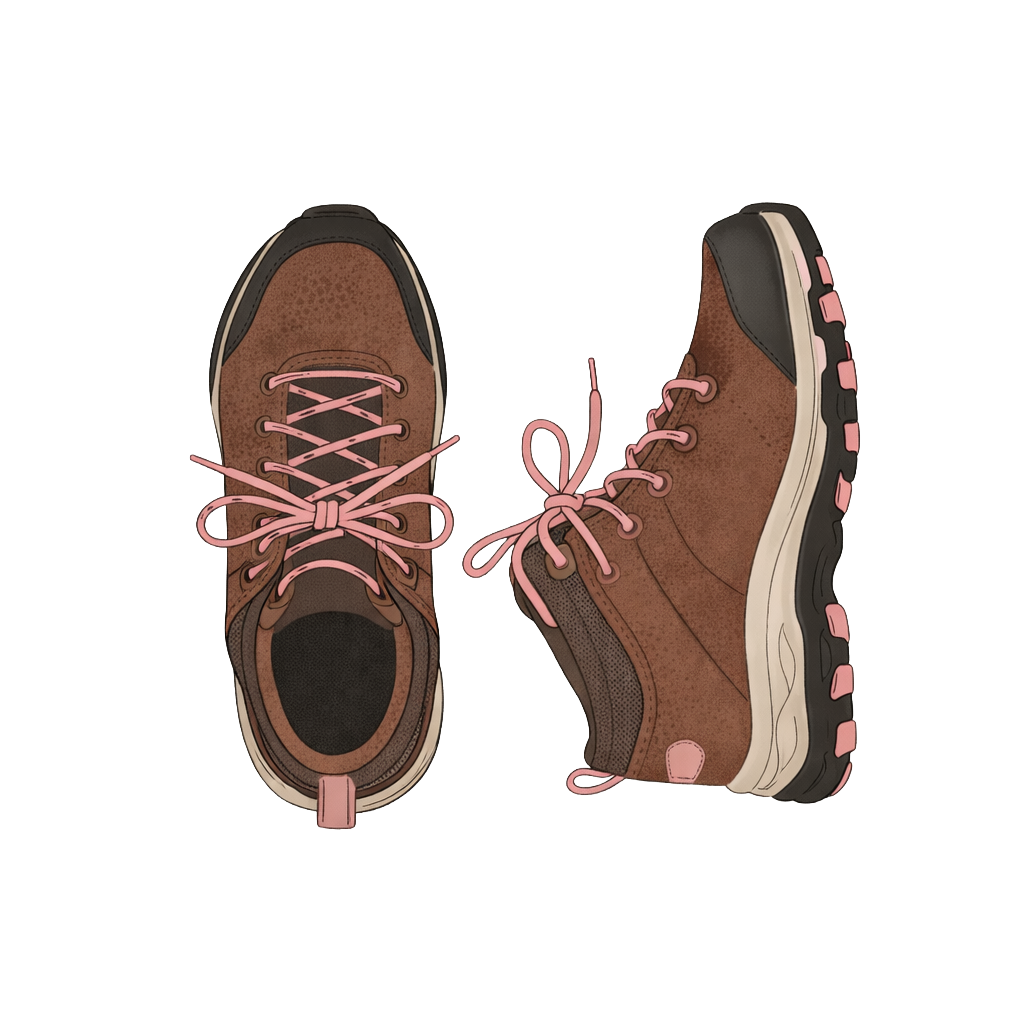
But style comes second to lifestyle. If you spend a lot of time outdoors, figure out what clothes suit that activity first, like hiking boots, and only then decide on the details that align with your aesthetic — say, a brown boot with a rose pink sole.
That’s the work of compromise, and it leads into the next lesson from these decades of rebuilding my wardrobe.
The real shift in mindset when it comes to rebuilding your wardrobe is understanding that you’ll always be juggling different demands.
It’s rare for our “ideal” style to perfectly match the actual reality of your day-to-day life so you have to balance your style preferences against the practical reality of your life. You might find a corporate dress code too restrictive for your creative side, or you might live in a small village where your love for “glam” or all things polished feels out of place.
This is where the real work of wardrobe building happens: making the right compromises, in the right places, for the right context.
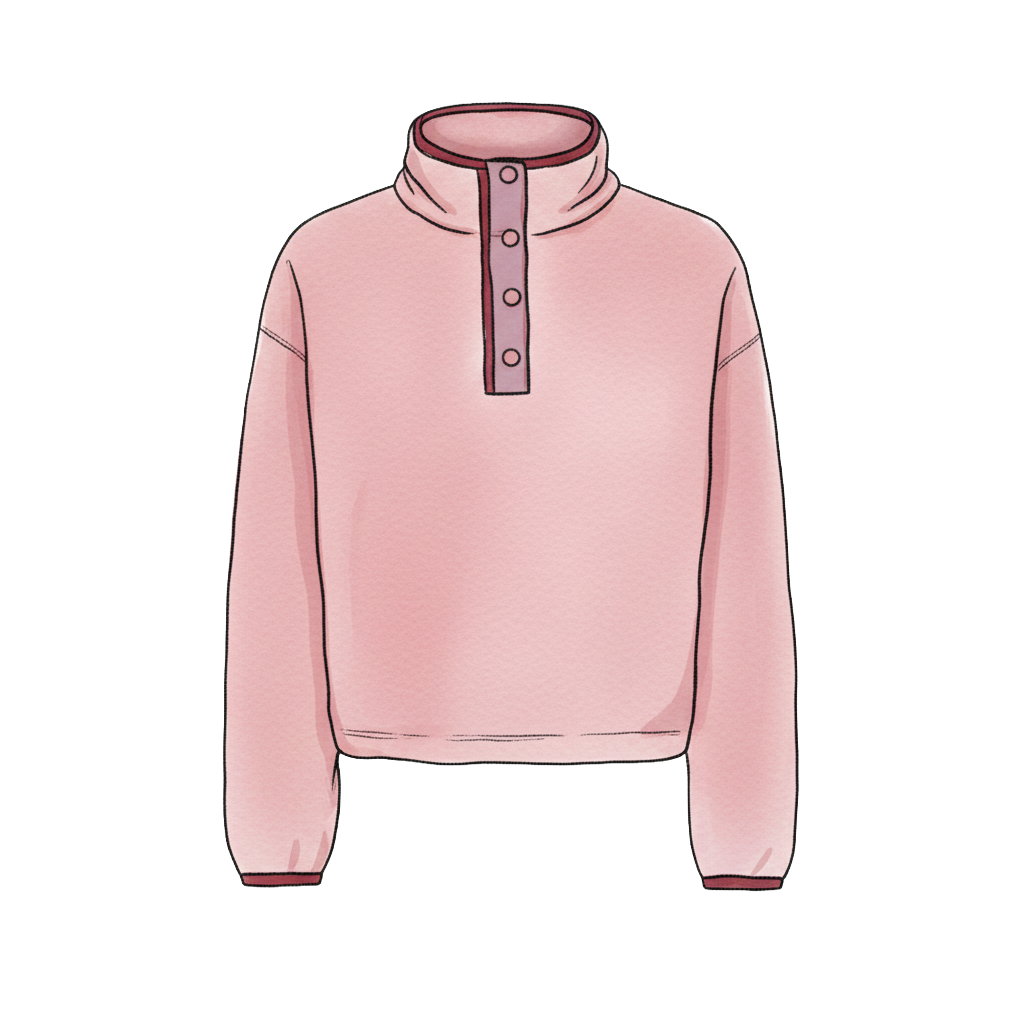
Take my own situation. My main style words are feminine, comfort, and glam. Rugged or overly casual pieces aren’t naturally “me,” but they’re necessary for my lifestyle. So when I build an outdoor wardrobe, I don’t abandon my style altogether — I lean heavily on colors and prints instead. Think wool-fleece sweaters in khaki green, rose pink, or florals, paired with standard hiking pants (but without too much or any contrasting color details). (We’re lucky to have so many casual and activewear options beyond black and gray technical fabrics!). Now it’s not 100% “glam,” but that’s the least of my worries when I’m walking the dog through the mud.
Or, if I need a professional wardrobe, I’ll base my outfits on dark, authoritative colors and a sharp blazer to convey authority, then compromise in the details — a slim gold belt to cinch the waist, a pretty brooch for sparkle, soft pleated pants for fluidity and comfort.
With a bit of flexibility and creativity, you can meet the requirements of your environment without sacrificing your individuality.
Rebuilding a wardrobe from scratch is a massive undertaking, but it’s also a rare opportunity to align how you look with how you actually live.
It takes patience and determination to do the groundwork — to analyze your lifestyle, set your style filters, and make the strategic compromises between your “ideal” look and your reality. But we do this work so that eventually, getting dressed becomes an effortless part of your day.
Be patient with the process — it’s not an overnight fix. You’re creating a space that honors who you are right now, not who you think you should be.